Destinations
Iconic Coastlines of Greece
From world-famous shipwreck coves to pink-sand lagoons, these are the beaches that put Greece on every traveller's bucket list.
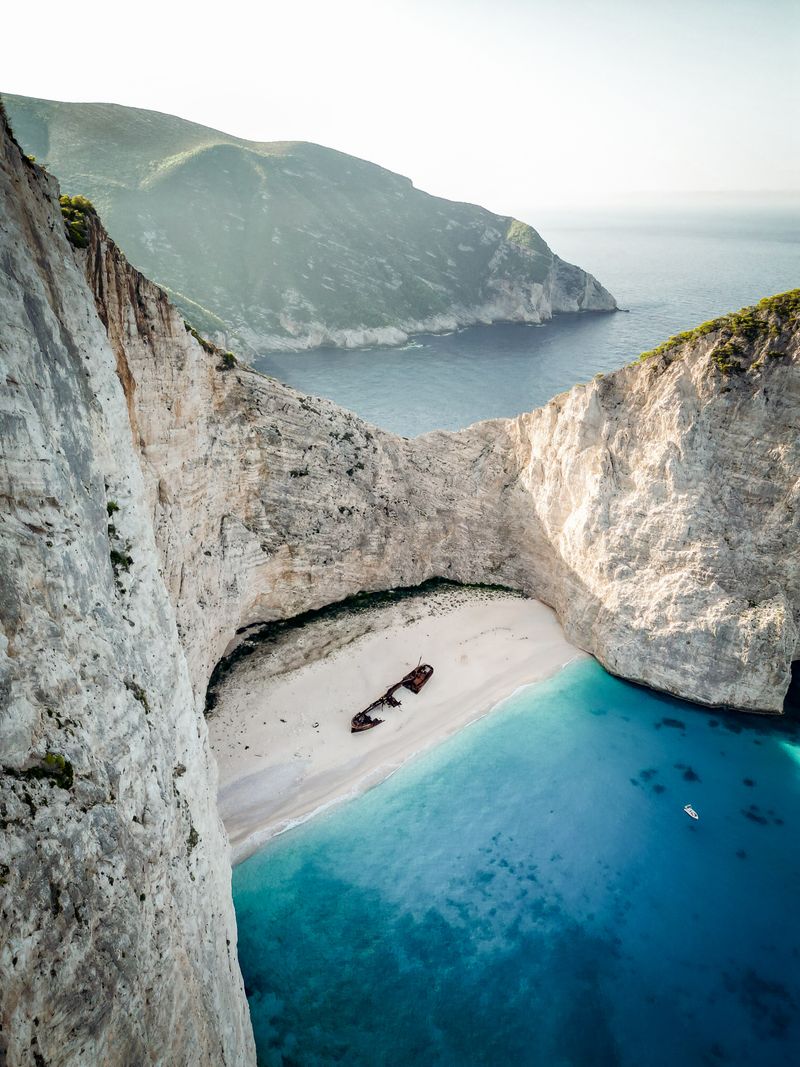
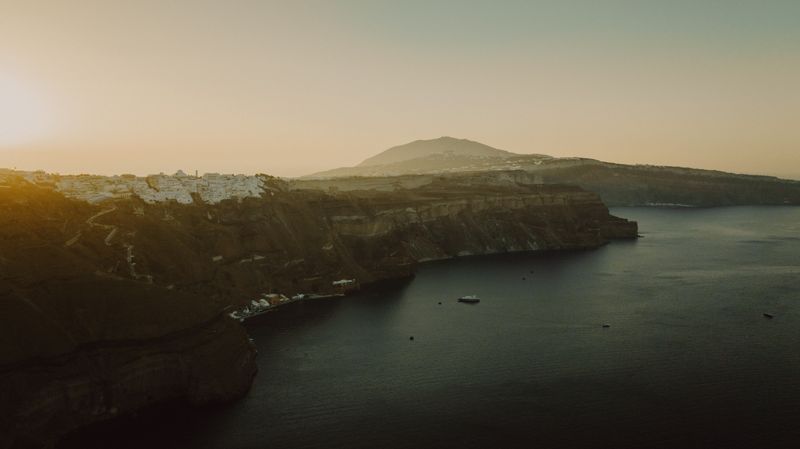
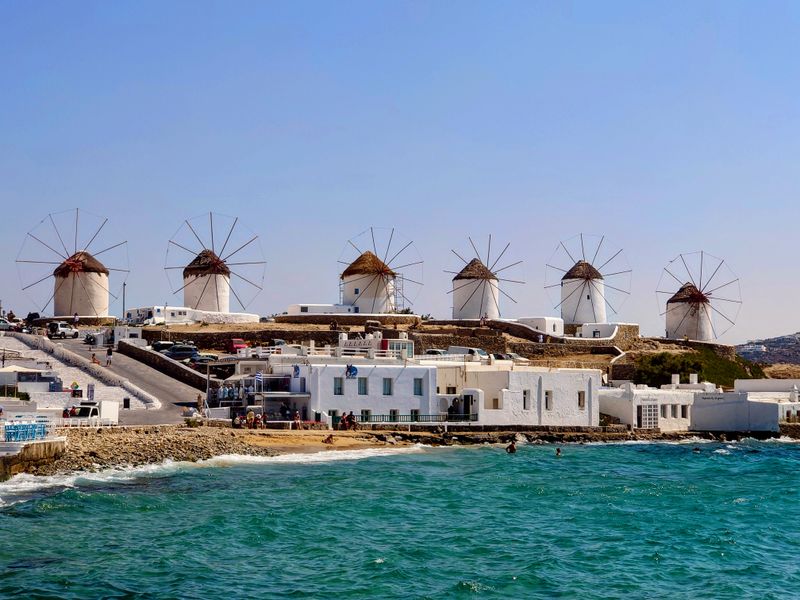
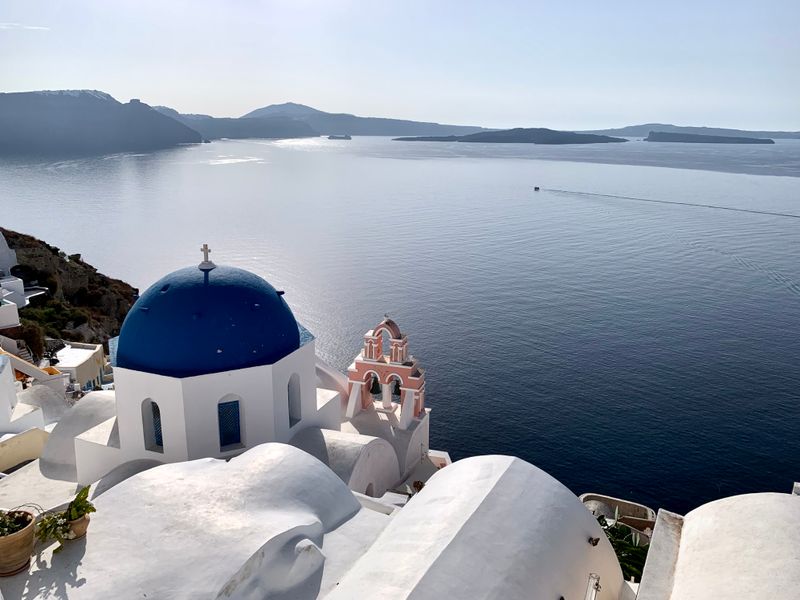
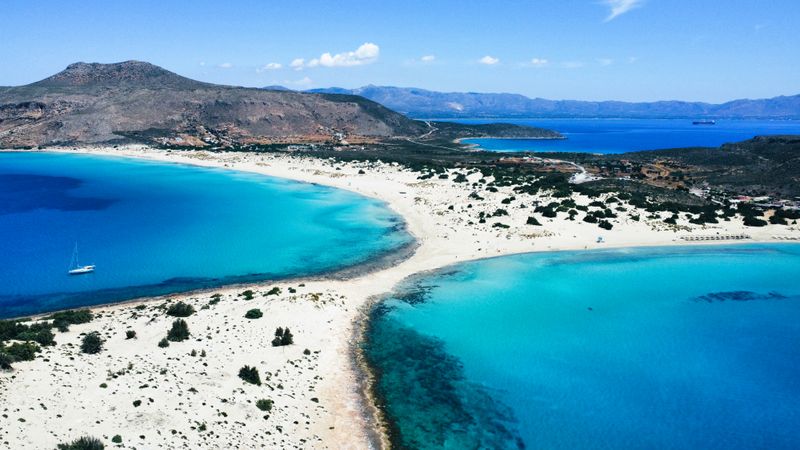
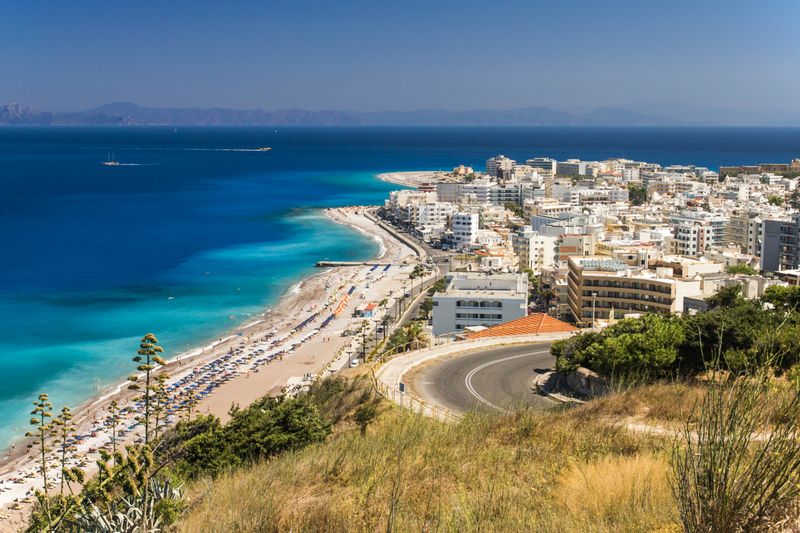
Greece boasts the 11th longest coastline in the world — a breathtaking tapestry of turquoise lagoons, dramatic cliffs, pink-sand beaches, and hidden coves stretching across two seas and thousands of islands.
From world-famous shipwreck coves to pink-sand lagoons, these are the beaches that put Greece on every traveller's bucket list.
Few countries on earth can match the diversity of Greece's shoreline. Within a single day's journey, you can walk across soft golden sand, scramble over volcanic black pebbles, explore sea caves carved into towering limestone, and wade through shallow pink-tinted lagoons. The mainland alone offers over 2,000 kilometres of coast, while thousands of islands add another 4,000 kilometres of beaches, bays, and harbours to explore.
The Aegean Sea to the east is defined by the Cyclades and Dodecanese islands — dry, sun-baked landscapes dotted with whitewashed villages and deep blue waters. The Ionian Sea to the west tells a different story: lush green hillsides, Venetian-era architecture, and some of the most impossibly turquoise bays in the Mediterranean. Travellers who explore both coasts discover what feels like two entirely different countries.
Greece practically invented the concept of island hopping. A network of ferries, catamarans, and small boats connects hundreds of islands, making it easy to visit three or four different worlds in a single holiday. From the cosmopolitan nightlife of Mykonos to the timeless tranquillity of Milos, every island has its own character, cuisine, and coastline waiting to be discovered.
Beyond the famous beaches, Greece's coastline is dotted with traditional fishing villages where life moves slowly. Whitewashed tavernas serve the morning's catch, fishermen mend nets in tiny harbours, and the evening brings a gentle promenade along the waterfront. This authentic coastal life is one of Greece's most compelling — and accessible — experiences.
The waters surrounding Greece are among the richest in the Mediterranean. The Aegean hosts the endangered Mediterranean monk seal, loggerhead sea turtles nest on beaches in Zakynthos, and Posidonia seagrass meadows provide vital habitat for hundreds of marine species. Greece has established a growing network of marine protected areas to safeguard this extraordinary biodiversity for future generations.
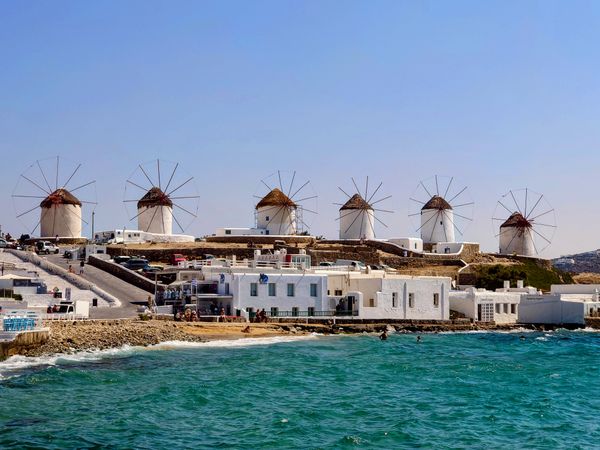
The eastern coast of Greece and the Cyclades and Dodecanese island chains. Characterised by a dry, warm climate, iconic white-and-blue architecture, and deep azure waters. This is the Greece of postcards — Santorini sunsets, Mykonos windmills, and the rugged beauty of lesser-known gems like Folegandros and Amorgos.
Western Greece and the Ionian Islands — Corfu, Zakynthos, Kefalonia, and Lefkada. Greener and lusher than the Aegean, with strong Venetian architectural influence, olive groves running down to the sea, and beaches with water so clear it looks like the boats are floating on air. A different Greece entirely.
The largest Greek island is almost a country in itself, with over 1,000 kilometres of its own coastline. From the pink sands of Elafonissi to the lagoon of Balos, the palm forest beach of Vai, and the rugged south coast gorges that end at the sea — Crete alone could fill an entire holiday with coastal wonders.
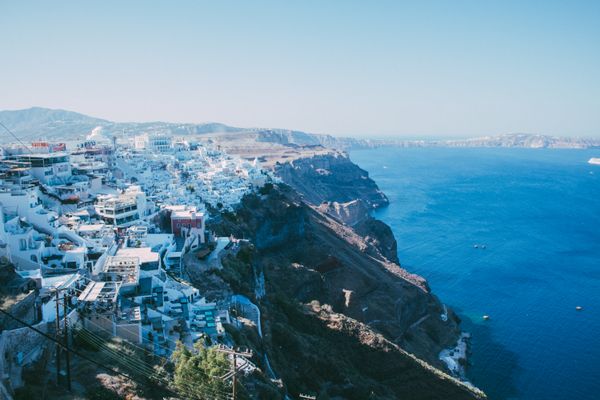
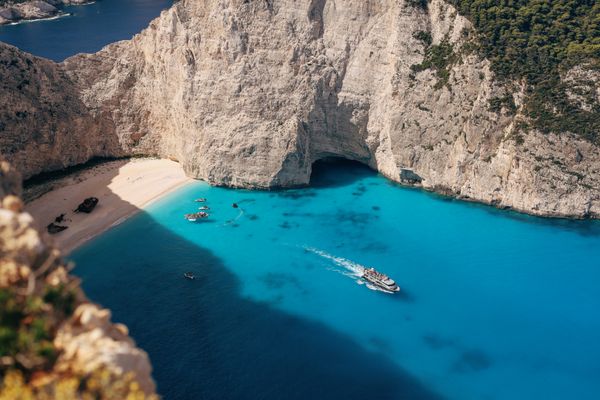
Let our expert advisors guide you through the visa process so you can experience these beaches in person.
Start My Application